
Folk Indie Music: Meaning, Characteristics, and Cultural Impact
9 months ago · Updated 9 months ago

- What Is Folk Indie?
- The Roots of Folk Indie Music
- What Defines Folk Indie Music?
- Lyrical Themes in Folk Indie
- Why Folk Indie Feels So Authentic
- Folk Indie and the DIY Ethos
- Folk Indie vs Traditional Folk Music
- The Sound Aesthetic of Folk Indie
- Why Folk Indie Resonates With Modern Audiences
- Folk Indie in Live Performances
- Visual Identity and Folk Indie Culture
- Is Folk Indie a Genre or a Mood?
- Frequently Asked Questions
- The Future of Folk Indie Music
- Why Folk Indie Endures
The term folk indie represents a unique intersection of tradition and independence. Blending the storytelling roots of folk music with the creative freedom and experimentation of indie culture, folk indie has become one of the most emotionally resonant styles in modern music. It speaks softly, yet carries profound depth.
What Is Folk Indie?
Sometimes referred to as indie folk, is a style of music that combines traditional folk elements—acoustic instruments, narrative lyrics, and emotional intimacy—with the independent ethos of indie music. Rather than following strict genre rules, prioritizes authenticity, personal expression, and artistic freedom.
It is less about commercial polish and more about connection. Songs often feel conversational, reflective, and deeply human, drawing listeners into quiet moments rather than grand statements.
The Roots of Folk Indie Music
To understand , it is essential to look at its two foundations: folk music and indie culture.
Folk Traditions
Folk music has long been rooted in storytelling, oral tradition, and cultural memory. Historically, it gave voice to everyday experiences—love, hardship, travel, identity—using simple instrumentation and accessible melodies.
Indie Philosophy
Indie music emerged as a response to mainstream commercial systems, emphasizing independence, DIY ethics, and creative control. When these values merged with folk traditions.
This fusion allowed artists to modernize folk storytelling without losing its emotional core.
What Defines Folk Indie Music?
While is stylistically diverse, several defining characteristics appear consistently across artists and eras.
Acoustic-Centered Instrumentation
Acoustic guitar is often the backbone , accompanied by instruments such as banjo, mandolin, piano, violin, or light percussion. Electric elements may appear, but they are usually subtle and supportive rather than dominant.
Intimate Vocal Delivery
Vocals in are typically soft, natural, and emotionally direct. Technical perfection is less important than sincerity. Breath, fragility, and nuance are embraced as expressive tools.
Minimalist Production
Production choices tend to favor warmth and closeness. Many recordings preserve room sound, background noise, or slight imperfections to maintain a sense of realism.
Lyrical Themes in Folk Indie
Lyrics are central to understanding . This style places storytelling and emotional honesty above abstraction or spectacle.
Common Themes
- Personal growth and self-reflection
- Nature, travel, and place
- Love in its quiet, unresolved forms
- Loss, nostalgia, and memory
- Belonging and identity
Rather than dramatic climaxes, often linger in moments—capturing feelings that are fleeting, uncertain, or unfinished.
Why Folk Indie Feels So Authentic
Many listeners are drawn to folk indie because it feels honest. The genre does not hide behind heavy production or exaggerated personas. Instead, it invites listeners into the artist’s internal world.
Folk Indie and the DIY Ethos
DIY culture plays a significant role. Many artists self-record, self-produce, and self-release their music, especially in early stages. Home studios, small venues, and grassroots promotion are common.
This independence allows musicians to prioritize meaning over metrics, reinforcing the genre’s emotional integrity.
Folk Indie vs Traditional Folk Music
Although they share roots, differs from traditional folk in several key ways.
| Traditional Folk | Folk Indie |
|---|---|
| Strong ties to cultural tradition | Personal and contemporary focus |
| Passed down through generations | Original, individual songwriting |
| Acoustic and historical styles | Blends folk with modern indie influences |
Folk indie respects tradition while allowing evolution and experimentation.
The Sound Aesthetic of Folk Indie
Sonically often feels warm, organic, and spacious. Silence and restraint are used intentionally, allowing songs to breathe.
Arrangement Choices
Songs frequently build slowly or remain understated throughout. Rather than chasing big choruses favors subtle emotional progression.
Atmosphere Over Impact
The goal is rarely to impress. Instead, the aim is to create a mood that listeners can inhabit—a sonic environment that feels safe, reflective, and real.
Why Folk Indie Resonates With Modern Audiences
In a digital landscape filled with fast content and algorithm-driven trends, offers stillness. It invites listeners to slow down, reflect, and reconnect with emotion.
This is why search interest in folk indie continues to grow. People are not just looking for a genre—they are looking for a feeling.
Folk Indie in Live Performances
Live performances often take place in intimate venues—small theaters, cafes, house shows, or stripped-down festival stages. This closeness reinforces emotional connection.
Many artists adapt their songs easily to solo or small-group performances, highlighting the strength of songwriting rather than production.
Visual Identity and Folk Indie Culture
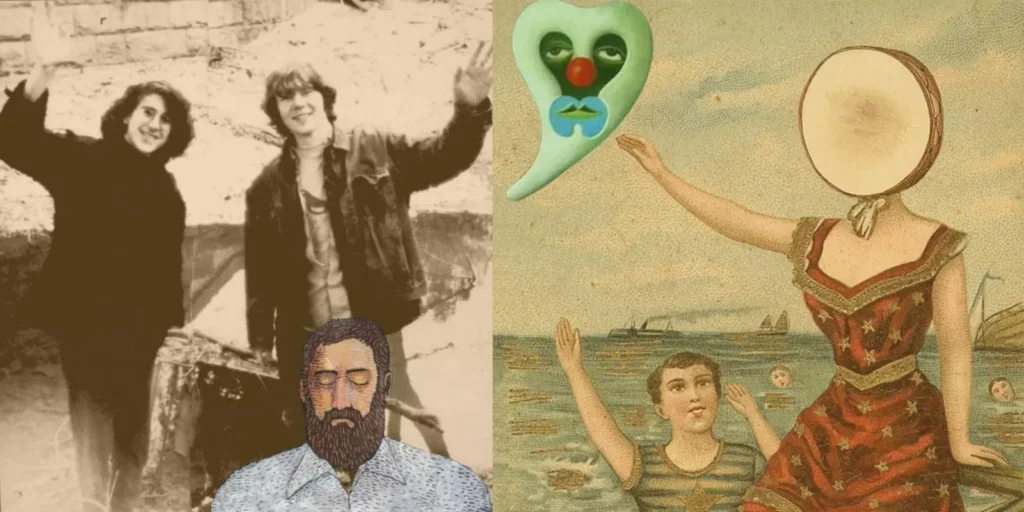
Visual aesthetics in often mirror the music itself. Earth tones, natural imagery, handwritten typography, and understated design are common.
This cohesive identity strengthens authenticity and reinforces trust, contributing to long-term audience connection.
Is Folk Indie a Genre or a Mood?
One reason is difficult to define is that it functions as both. It has recognizable musical traits, yet it is also a mood—quiet, reflective, and emotionally open.
This flexibility allows the style to evolve without losing its essence.
Frequently Asked Questions
Is folk indie the same as indie folk?
Yes, the terms are often used interchangeably, though some listeners prefer one phrasing over the other.
Does folk indie require acoustic instruments?
Not exclusively, but acoustic elements are central to its sound and identity.
Is folk indie popular or underground?
It exists in both spaces. While some artists gain mainstream attention, the genre remains rooted in independent culture.
The Future of Folk Indie Music
As music consumption continues to evolve remains relevant by staying emotionally grounded. New artists continue to reinterpret the style, blending folk roots with modern influences.
Its future lies not in trends, but in timeless human experience.
Why Folk Indie Endures
So what makes folk indie endure in a constantly changing music landscape? Its strength lies in honesty, simplicity, and emotional depth. It does not shout to be heard—it invites listeners to lean in.
By blending folk storytelling with indie independence, the genre creates space for reflection, vulnerability, and connection. And in a world that often feels overwhelming, that quiet strength is exactly what makes so powerful.
You might like...