
Tiny Desk Music: Definition, Origins, and Why It Resonates Globally
10 months ago · Updated 10 months ago

- What Is Tiny Desk Music?
- The Origins of Tiny Desk Music
- Why Tiny Desk Music Feels Different
- Musical Rearrangement and Creativity
- Genres Represented in Tiny Desk Music
- The Role of Authenticity in Tiny Desk Music
- Tiny Desk Music and Artist Credibility
- The Visual Language of Tiny Desk Music
- Why Tiny Desk Music Thrives Online
- Educational Value of Tiny Desk Music
- Tiny Desk Music vs Traditional Live Performances
- Cultural Impact of Tiny Desk Music
- Why Artists Say Yes to Tiny Desk Music
- Frequently Asked Questions
- The Future of Tiny Desk Music
- Conclusion: Why Tiny Desk Music Matters
The term tiny desk music has evolved from a simple performance format into a globally recognized symbol of authenticity, intimacy, and artistic credibility. What began as a modest idea—musicians performing behind a desk in an office—has transformed into one of the most respected live music platforms in modern culture.
What Is Tiny Desk Music?
At its core refers to live musical performances recorded in a small, informal setting—most famously associated with the Tiny Desk Concerts series created by NPR Music. These performances strip away large stages, elaborate lighting, and heavy production, placing the focus entirely on musicianship and emotional delivery.
The defining feature is simplicity. Artists perform in close proximity to the audience, often using minimal equipment and rearranged versions of their songs. This format highlights raw talent, songwriting strength, and genuine connection.
The Origins of Tiny Desk Music
The concept of tiny desk music originated in 2008, when NPR Music producers sought a more personal way to showcase artists. Instead of traditional studio recordings or concert halls, they chose an everyday workspace: a desk surrounded by books, papers, and office clutter.
This unconventional setting was intentional. By removing the grandeur typically associated with live performances, the series forced both artists and listeners to focus on the essentials—voice, instruments, and songwriting.
What started as an internal experiment quickly gained traction, as audiences responded strongly to the authenticity and warmth of the performances.
Why Tiny Desk Music Feels Different
Many listeners search for because it feels fundamentally different from traditional live recordings. The distinction lies not only in location, but in emotional experience.
Intimacy and Proximity
The physical closeness between performers and audience creates a sense of shared space. Viewers feel less like spectators and more like participants, almost as if they are sitting in the room with the artist.
Minimal Production
Without heavy post-production, autotune, or visual effects, relies on genuine performance quality. Any imperfections become part of the experience, reinforcing authenticity rather than detracting from it.
Musical Rearrangement and Creativity
One of the most compelling aspects is the way artists adapt their songs to the format. Full-band arrangements are often reimagined using acoustic instruments, smaller ensembles, or alternative rhythms.
This process requires creativity and musical skill. Artists must distill their songs down to their core elements, revealing strengths that may be less noticeable in studio versions.
For many listeners, these rearrangements become definitive versions of the songs, valued for their clarity and emotional directness.
Genres Represented in Tiny Desk Music
Although often associated with indie and alternative artists, spans a remarkable range of genres. This diversity has played a significant role in the format’s widespread appeal.
Commonly Featured Genres
- Indie Rock and Indie Pop
- Hip-Hop and Rap
- Jazz and Soul
- Folk and Americana
- R&B and Neo-Soul
By presenting all genres in the same stripped-down environment, tiny desk music places artists on equal footing, emphasizing talent over production budgets.
The Role of Authenticity in Tiny Desk Music
Authenticity is the cornerstone of Artists cannot rely on spectacle or technical enhancements; they must connect through performance alone.
In an era where digital manipulation is common, this authenticity has become increasingly valuable.
Tiny Desk Music and Artist Credibility
For many musicians, appearing in a performance is considered a milestone. It signals recognition from a respected cultural institution and serves as a form of artistic validation.
Audiences often interpret a strong performance as proof of genuine skill. This perception enhances artist authority and can significantly expand reach and reputation.
The Visual Language of Tiny Desk Music
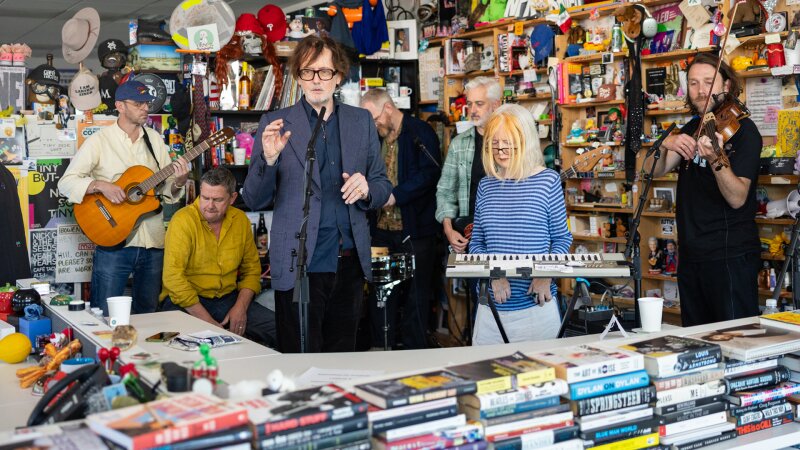
The visual consistency of music plays a subtle but important role in its success. The familiar desk, shelves, and office environment create a recognizable identity.
This visual simplicity reinforces the idea that the music itself is the main attraction. Over time, the setting has become iconic, instantly signaling a certain level of quality and authenticity.
Why Tiny Desk Music Thrives Online
The digital format of has allowed it to thrive on platforms like YouTube and social media. Short, engaging performances are well-suited for online sharing, while the emotional impact encourages repeat viewing.
Search interest continues to grow as new audiences discover performances through recommendations and viral clips.
Unlike algorithm-driven content, performances often gain traction through genuine appreciation rather than trends.
Educational Value of Tiny Desk Music
Beyond entertainment, offers educational value. Musicians, students, and producers study these performances to learn about arrangement, vocal technique, and live dynamics.
The format demonstrates how strong songwriting and musicianship can stand alone, without reliance on elaborate production.
Tiny Desk Music vs Traditional Live Performances
Understanding is easier when compared to traditional concerts.
| Tiny Desk Music | Traditional Live Concerts |
|---|---|
| Intimate, small-scale setting | Large venues and stages |
| Minimal production | High production value |
| Focus on musicianship | Focus on spectacle and energy |
Neither format is superior; they simply serve different artistic purposes.
Cultural Impact of Tiny Desk Music
Over time, has influenced how audiences value live performance. It has helped normalize quieter, more vulnerable expressions of artistry in mainstream culture.
The format has also contributed to greater genre diversity in popular music spaces, giving visibility to artists who may not fit traditional commercial molds.
Why Artists Say Yes to Tiny Desk Music
Despite the lack of spectacle, artists frequently embrace because it offers creative freedom. They can reinterpret their work without pressure to conform to radio or touring formats.
This creative control strengthens artist identity and fosters deeper audience connection.
Frequently Asked Questions
Is tiny desk music only for famous artists?
No. While many well-known artists have appeared, the platform also highlights emerging and independent musicians.
Are tiny desk performances live?
Yes, they are recorded live, typically with minimal editing to preserve authenticity.
Why do people prefer tiny desk versions of songs?
Because they often feel more emotional, honest, and musically transparent than studio recordings.
The Future of Tiny Desk Music
As music consumption continues to evolve, tremains relevant by staying true to its core values. While formats may adapt, the emphasis on authenticity and musicianship is unlikely to change.
The continued success of the concept suggests that audiences will always seek genuine human connection through music.
Conclusion: Why Tiny Desk Music Matters
So why has become such a powerful cultural force? Because it reminds listeners of what music can be when stripped of excess—honest, intimate, and deeply human.
By prioritizing artistry over spectacle, has earned lasting trust and authority. In a crowded digital landscape, that authenticity is not just refreshing—it is essential.
And that is why tiny desk music continues to resonate with audiences around the world.
You might like...