
What Defines Indie Music? A Complete Guide to Its Sound, Values, and Evolution
9 months ago · Updated 9 months ago

- The Origins of Indie Music: Independence Before Sound
- What Defines Indie Music Beyond Labels
- Musical Characteristics Commonly Associated with Indie Music
- Lyrical Themes: Personal, Introspective, and Observational
- The Role of DIY Culture
- Indie Music vs. Mainstream Music
- The Evolution of Indie Music in the Digital Age
- Subgenres Within Indie Music
- Cultural Impact and Community
- Why Indie Music Resonates With Modern Audiences
- Frequently Asked Questions
- Conclusion: Defining Indie Music in a Changing World
The question what defines indie music has intrigued listeners, critics, and artists for decades. Unlike traditional genres that can be identified by a specific rhythm, structure, or instrumentation, indie music is best understood as a combination of artistic independence, aesthetic choices, and cultural philosophy. It is as much an attitude as it is a sound.
The Origins of Indie Music: Independence Before Sound
To understand what indie music is, it is essential to begin with its origins. The term “indie” is short for “independent” and initially described music released outside of major record labels. In the late 1970s and 1980s, independent labels emerged as alternatives to corporate-controlled music production, particularly in the punk and post-punk scenes.
At that time,was not defined by a particular style. Instead, it represented freedom—freedom from commercial pressure, creative restrictions, and mass-market expectations. Artists prioritized artistic expression over radio play, which laid the foundation for the values that still define the genre today.
the indie movement was closely tied to DIY ethics, grassroots promotion, and a strong connection between artists and local communities.
What Defines Indie Music Beyond Labels
While independence from major labels was once the primary criterion, the modern definition has expanded. Today, asking what defines indie music involves examining a blend of artistic choices, emotional authenticity, and cultural positioning.
Many indie artists now collaborate with larger distributors or sign flexible deals, yet still maintain creative control. This evolution shows that is no longer strictly about who releases the music, but how and why it is created.
Core Defining Principles
- Creative Autonomy: Artists retain control over sound, image, and messaging.
- Authenticity: Emphasis on honest expression rather than polished perfection.
- Experimentation: Willingness to blend genres and break conventions.
- Audience Connection: A focus on emotional resonance over mass appeal.

Musical Characteristics Commonly Associated with Indie Music
Although resists strict musical boundaries, certain sonic traits appear frequently. These characteristics are not rules, but recurring patterns that help listeners intuitively recognize indie tracks.
Instrumentation and Sound Design
Often features traditional rock instrumentation—guitars, bass, drums—combined with unconventional textures. Lo-fi production, analog synths, and ambient layers are common, creating a sound that feels intimate rather than grand.
Instead of technical perfection, many indie recordings preserve imperfections. These elements reinforce emotional realism and contribute to a sense of closeness between artist and listener.
Vocal Style and Delivery
Vocals in tend to favor individuality over technical virtuosity. Unusual tones, understated delivery, or emotionally raw performances are valued more than flawless technique. This approach strengthens the personal nature of the music.
Lyrical Themes: Personal, Introspective, and Observational
Lyrics play a central role when discussing what defines indie music. Rather than focusing on universal pop themes, indie songwriting often explores nuanced emotional states and everyday experiences.
Common Lyrical Topics
- Identity and self-discovery
- Emotional vulnerability and uncertainty
- Social alienation and belonging
- Relationships in their quiet, unresolved moments
These themes are usually presented without dramatic resolution. Indie lyrics frequently leave space for interpretation, allowing listeners to project their own experiences onto the music.
The Role of DIY Culture
DIY (Do It Yourself) culture remains a cornerstone of indie music. Even as technology has evolved, the mindset persists. Artists often record at home, self-produce, design their own visuals, and manage their online presence directly.
Indie Music vs. Mainstream Music
Understanding what defines indie music is easier when contrasted with mainstream music. The difference is not about quality or popularity, but intent and structure.
| Indie Music | Mainstream Music |
|---|---|
| Artist-driven decisions | Market-driven decisions |
| Experimental structures | Formula-based songwriting |
| Emphasis on mood and meaning | Emphasis on hooks and trends |
It is important to note that artists can move between these spaces, and the boundary is increasingly fluid.
The Evolution of Indie Music in the Digital Age
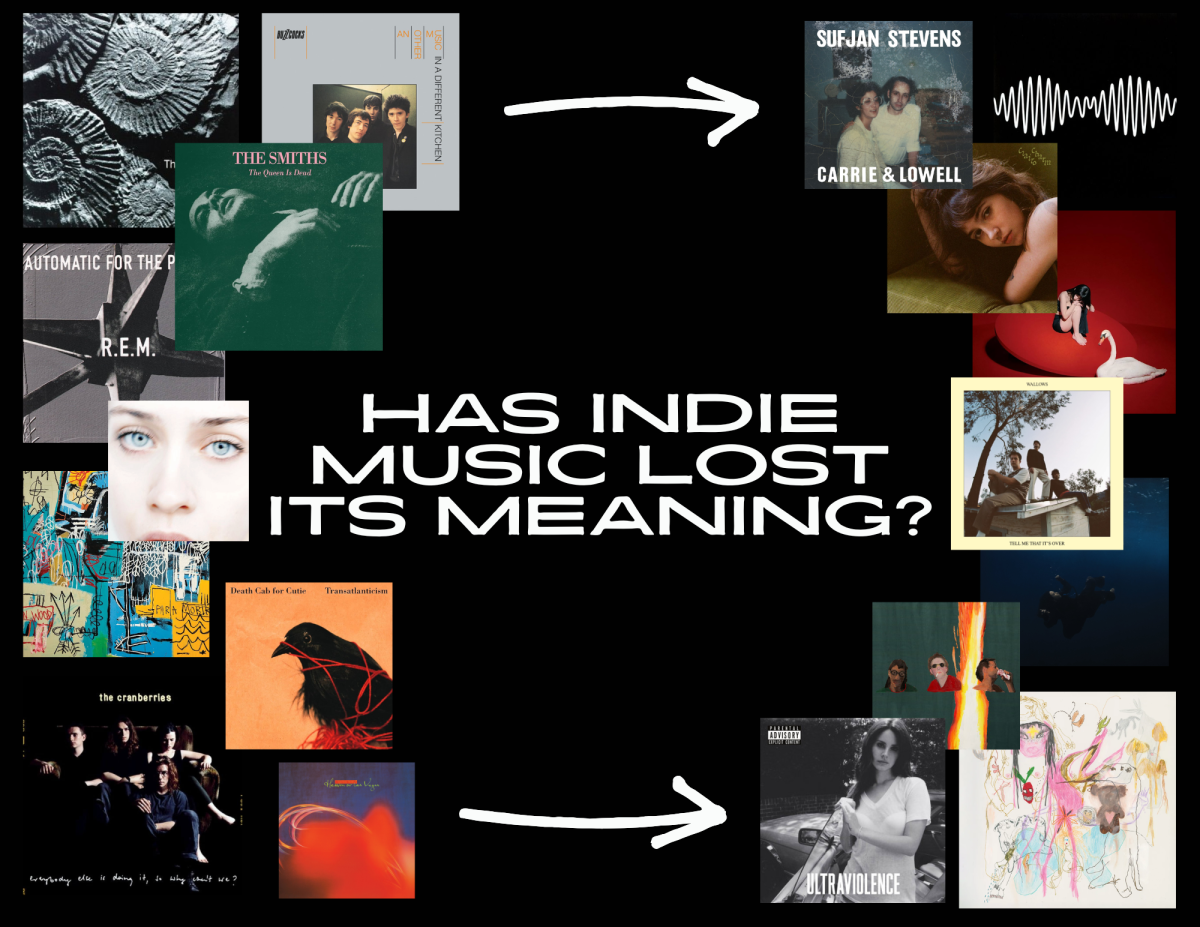
Streaming platforms and social media have transformed indie music. Artists no longer rely on traditional gatekeepers to reach audiences. This shift has expanded the indie landscape while also blurring its definition.
Ironically, digital accessibility has made independence both easier and more competitive. While anyone can release music, standing out now requires a strong artistic identity.
Subgenres Within Indie Music
Another reason the question what defines indie music is complex lies in its diversity. Indie is an umbrella term that includes numerous subgenres.
Popular Indie Subgenres
- Indie Rock
- Indie Pop
- Indie Folk
- Dream Pop
- Lo-fi Indie
Each subgenre emphasizes different elements, yet all share the foundational values of independence and authenticity.
Cultural Impact and Community
Indie music has always been deeply tied to community. Local scenes, small venues, and online fan groups form the backbone of indie culture. This sense of belonging distinguishes indie from purely commercial music ecosystems.
Fans often feel personally invested in the artists they support, following their growth over time. This long-term engagement reinforces trust and authority within the indie space.
Why Indie Music Resonates With Modern Audiences
In an era of algorithm-driven content, offers something increasingly rare: imperfection and sincerity. Listeners seeking emotional depth and individuality often turn to indie artists for a more human connection.
This emotional resonance explains why discussions around what defines indie music remain relevant. The genre adapts to cultural shifts without losing its core values.
Frequently Asked Questions
Is indie music a genre or a mindset?
It is best understood as both. While it includes recognizable sounds, its defining feature is artistic independence.
Can popular artists still be considered indie?
Yes, if they maintain creative control and align with indie values, popularity does not disqualify them.
Does indie music reject commercial success?
Not necessarily. Indie music prioritizes authenticity, but success can coexist with independence.
Conclusion: Defining Indie Music in a Changing World
So, what defines indie music in today’s landscape? It is a combination of independence, emotional honesty, creative freedom, and cultural community. While sounds and platforms change, these core principles remain consistent.
Continues to thrive because it adapts without losing its soul. For listeners and artists alike, it represents a space where expression comes first—and that is what truly defines it.
You might like...