
The Style of Sigur Rós: Exploring the Icelandic Post-Rock Sound
10 months ago · Updated 10 months ago

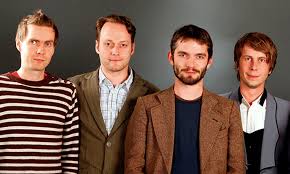
Sigur Rós is an Icelandic band celebrated for their ethereal, atmospheric, and deeply emotive post-rock music. Known for their unique combination of ambient textures, experimental instrumentation, and Jónsi Birgisson’s haunting falsetto, Sigur Rós has created a style that is both instantly recognizable and profoundly influential. This article explores the distinctive style of Sigur Rós, examining their musical characteristics, techniques, key albums, and lasting impact.
Introduction to Sigur Rós’ Style
The style of Sigur Rós is defined by a combination of post-rock expansiveness, ambient textures, and cinematic atmospheres. Their music often evokes a sense of otherworldliness, immersing listeners in emotional and introspective soundscapes. Jónsi Birgisson’s falsetto vocals serve as an additional instrument, blending seamlessly with bowed guitars, reverb-drenched instrumentation, and layered textures.
Musical Characteristics
Several musical characteristics define the signature style of Sigur Rós:
- Ethereal Vocals: Jónsi’s falsetto conveys vulnerability, emotion, and a sense of transcendence.
- Layered Instrumentation: Guitars, strings, keyboards, and orchestral elements are layered to create depth and texture.
- Dynamic Builds: Songs often progress from quiet, minimalistic passages to expansive crescendos.
- Invented Language: Vonlenska (Hopelandic) is used on several albums to emphasize musicality rather than semantic meaning.
- Textural Complexity: Sound layering and reverb create a lush, immersive auditory environment.
Unique Techniques and Elements
Sigur Rós’ style also includes distinctive techniques and production elements:
- Bowed Guitar: A technique used to create sustained, haunting tones that enhance the band’s ethereal sound.
- Strategic Use of Silence: Pauses and quiet sections create tension and emotional resonance.
- Unconventional Song Structures: Departing from standard verse-chorus formats, songs flow organically and often include multiple transitions.
- Natural and Ambient Sounds: Recordings sometimes incorporate environmental sounds, reflecting Iceland’s landscapes.
Key Albums and Styles
Sigur Rós’ style evolves across their discography, highlighting different aspects of their sound:
- Von (1997): Early ambient experimentation with raw, minimalist textures.
- Ágætis byrjun (1999): Lush, cinematic soundscapes with expansive layers and emotional crescendos.
- ( ) (2002): Double album featuring Vonlenska and unconventional song structures, emphasizing atmosphere over lyrics.
- Takk… (2005): A more melodic approach while maintaining their ethereal, signature sound.
- Með suð í eyrum við spilum endalaust (2008): Introduces indie and pop influences into their atmospheric foundation.
- Kveikur (2013): Darker and more aggressive textures, with industrial and post-rock intensity.
Influences and Legacy
The style of Sigur Rós has influenced numerous post-rock, ambient, and indie musicians. Bands such as Explosions in the Sky, Mogwai, and Radiohead have cited their innovative textures and dynamic range as inspiration. Additionally, has played a major role in bringing Icelandic music to international audiences.
Live Performances and Visuals
Sigur Rós’ live performances complement their style through immersive visual and auditory experiences. Elaborate lighting, projections, and stage design enhance the music’s emotional and atmospheric impact, making concerts highly immersive and transformative.
How to Listen to Sigur Rós
- Use high-quality headphones or speakers to capture subtle textures and layers.
- Listen to albums in full to appreciate the dynamic evolution of songs.
- Focus on instrumentation and texture as much as vocals.
- Explore live performances to experience their full visual and sensory presentation.
FAQs About Sigur Rós’ Style
1. What defines Sigur Rós’ style?
Their style is defined by ethereal soundscapes, dynamic crescendos, falsetto vocals, and experimental structures.
2. What is Vonlenska?
A fictional language used in some songs to prioritize musicality over literal meaning.
3. What unique techniques do they use?
Bowed guitar, layered textures, silence for tension, and unconventional song structures.
4. Which albums best represent their style?
Ágætis byrjun, ( ), Takk…, and Kveikur showcase the most distinctive elements of their style.
5. How has Sigur Rós influenced other musicians?
They have inspired post-rock, ambient, and indie artists globally, while popularizing Icelandic music worldwide.
Conclusion
The style of Sigur Rós represents a unique fusion of post-rock, ambient, and experimental music. Through ethereal soundscapes, emotive vocals, and innovative techniques, they have created a body of work that transcends genre boundaries and influences countless artists. Exploring music offers a journey into atmospheric, cinematic, and emotionally resonant sound worlds.
You might like...