
Post-Punk: Exploring the Genre that Redefined Rock Music
11 months ago · Updated 11 months ago

Post-punk is a revolutionary music genre that emerged in the late 1970s as a response to the raw energy of punk rock. While retaining punk’s rebellious spirit,expanded the sonic palette by incorporating experimental elements, atmospheric textures, and diverse influences ranging from electronic music to dub and funk. This article delves into the origins, characteristics, key bands, and enduring influence of post-punk.
Introduction to Post-Punk
Post-punk evolved as a genre that took the intensity and anti-establishment ethos of punk rock and fused it with innovation, artistic ambition, and sonic experimentation. Unlike traditional punk, which prioritized speed and aggression, emphasized texture, mood, and rhythm. Bands began experimenting with synthesizers, dub-inspired basslines, and non-linear song structures, paving the way for future genres such as gothic rock, new wave, and alternative rock.
Origins and History
The post-punk movement originated in the United Kingdom in the late 1970s, shortly after the first wave of punk rock. While punk bands like the Sex Pistols and The Clash emphasized raw simplicity, artists sought to push boundaries and explore new sounds.
Key historical points:
- Late 1970s UK: Bands like Joy Division, Wire, and Siouxsie and the Banshees pioneered the style.
- Incorporation of Diverse Genres: Funk, dub, reggae, electronic, and avant-garde elements influenced the sound.
- DIY Ethos: Post-punk artists often self-produced records and experimented with unconventional recording techniques.
- Global Spread: By the early 1980s, spread to the US and other parts of Europe, influencing countless bands.
Musical Characteristics
Defined by a range of distinctive musical elements:
- Angular Guitar Riffs: Sharp, staccato guitar lines often create tension and a sense of urgency.
- Prominent Basslines: Influenced by funk and dub, bass often carries the melodic weight.
- Atmospheric Synths: Use of synthesizers and keyboards adds mood and texture.
- Experimental Rhythms: Non-standard time signatures, syncopation, and polyrhythms distinguish the genre.
- Emotional Vocal Delivery: Vocals can range from detached and cold to intense and passionate.
Key Bands and Albums
Several bands defined the sound and ethos of post-punk:
- Joy Division: Known for Unknown Pleasures (1979), creating dark, atmospheric soundscapes.
- The Cure: Seventeen Seconds (1980) and Faith (1981) combined melancholy and experimental guitar work.
- Siouxsie and the Banshees: Early pioneers, blending punk aggression with gothic atmospheres.
- Wire: Pink Flag (1977) showcased minimalist, angular compositions influencing generations of musicians.
- Bauhaus: Often credited as the originators of gothic rock, integrating theatricality.
Influences on Modern Music
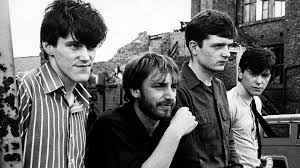
Impact extends far beyond its initial era, shaping contemporary indie rock, alternative, and electronic music. Bands like Interpol, The National, Editors, and LCD Soundsystem draw inspiration from emphasis on rhythm, texture, and mood. Even mainstream pop artists occasionally incorporateelements to achieve a darker, atmospheric sound.
Cultural Impact and Legacy
Post-punk not only changed the sound of music but also influenced fashion, visual art, and DIY culture. Its aesthetic embraced minimalism, androgyny, and artistic expression, impacting subcultures and independent music communities globally. Ethos of experimentation continues to inspire artists across genres.
How to Listen to Post-Punk
- Start with seminal albums like Unknown Pleasures (Joy Division) and Pink Flag (Wire).
- Focus on bass and rhythm as much as melody.
- Pay attention to atmosphere, texture, and mood, rather than just lyrics.
- Explore live recordings to understand the energy and performance style of bands.
1. What is post-punk?
Post-punk is a genre that evolved from punk rock, combining punk’s energy with experimentation, atmosphere, and diverse influences.
2. When did post-punk emerge?
It emerged in the late 1970s, primarily in the United Kingdom, as a response to the simplicity of punk rock.
3. What are the main musical features of post-punk?
Angular guitars, prominent basslines, atmospheric synths, experimental rhythms, and emotive vocals.
4. Which bands are considered post-punk pioneers?
Joy Division, Wire, The Cure, Siouxsie and the Banshees, and Bauhaus.
5. How has post-punk influenced modern music?
It shaped indie rock, alternative music, and electronic genres, influencing bands like Interpol, Editors, and LCD Soundsystem.
Post-punk revolutionized rock music by pushing boundaries and expanding the possibilities of sound, rhythm, and atmosphere. Its experimental approach, emotional depth, and DIY ethos left a lasting legacy that continues to inspire musicians and artists worldwide. Understanding is essential for anyone interested in the evolution of modern music and the intersection of innovation, rebellion, and art.
You might like...