
Females Indie: Celebrating Women in the Indie Music Scene
11 months ago · Updated 10 months ago

- 1. Introduction: Why “females indie” Matters
- 2. Defining the Term: What is “females indie”?
- 3. Historical Overview: Women in Indie Music
- 4. Contemporary Voices: Female-Led Indie Artists Today
- 5. Why It’s Important: Gender, Identity & Representation
- 6. Practical Tips: Discovering and Supporting Female Indie Artists
- The Future of Females Indie
1. Introduction: Why “females indie” Matters
When we search for females indie, what we’re really tapping into is a rich and evolving musical ecosystem — one where women, non-binary persons and female-fronted acts are shaping and reshaping the face of independent music. In articles, blogs and playlists you’ll increasingly see “female indie artists” or “women in indie rock/pop” as key phrases. Using the narrower “females indie” can give your content a fresh long-tail angle, a slightly off-the-beaten-path phrasing that can help with search visibility.
In this deep dive we’ll explore how the phrase “females indie” intersects with culture, gender, sound, and search strategy. We’ll look at how the genre evolved historically, review standout artists today, reflect on representation issues, and finally show how you can craft content around this niche phrase effectively.
2. Defining the Term: What is “females indie”?
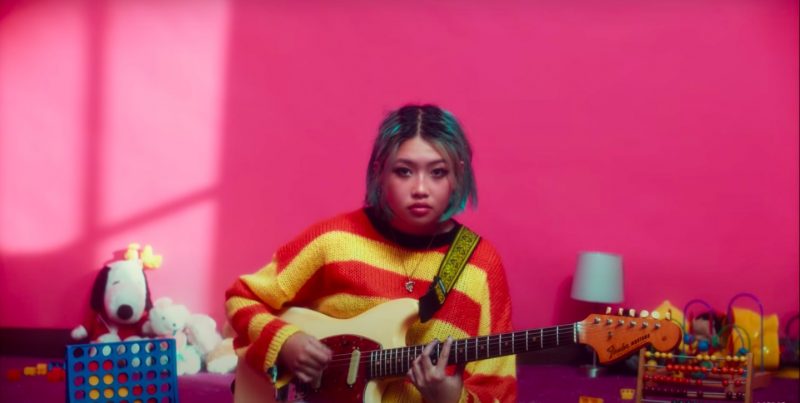
“Females indie” is not a standard industry term; it’s a user-friendly phrase that combines two major ideas:
- Females: indicating women (and by extension female-identifying, non-binary performers) who are leading or significantly contributing.
- Indie: short for independent music, typically outside major-label mainstream pop, often characterised by creative freedom, artistic authenticity and niche audiences.
So when you write about “females indie”, you’re talking about women in the indie music space—solo artists, bands, collectives—who are forging paths outside the dominant commercial machine. And interestingly, from an SEO perspective this phrase is under-used compared to “female indie artists” or “women in indie rock” — giving you potential opportunity.
3. Historical Overview: Women in Indie Music
Women have been part of independent music scenes since the dawn of punk, post-punk and alternative rock — though often under-represented in mainstream narratives. From indie pop, lo-fi and DIY bedroom releases to more experimental art-rock, female indie voices have offered fresh perspectives.
In the 1990s and 2000s you saw a surge of female-fronted indie acts across multiple geographies, paving the way for today’s scene. While much of the media still framed women as exceptions rather than integral participants, the reality was that the “indie” world has been fertile ground for female artistry for decades.
4. Contemporary Voices: Female-Led Indie Artists Today
Today the “females indie” category is thriving. Here are some artists worth knowing:
4.1 Samia
Samia (Samia Najimy Finnerty) is an American indie-pop/rock singer-songwriter whose work has been described as raw, vulnerable and emotionally honest.She exemplifies how female indie artists are layering personal narrative with musical craft.
4.2 Emily Yacina
Emily Yacina is a Philadelphia-born indie pop/bedroom pop artist whose intimate recordings and emotional vocals have carved her niche. Her career shows how the indie space allows for subtle, low-key female artistry.
4.3 The broader scene
The playlist “New Female Indie” highlights dozens of emerging voices: artists like Cate Le Bon, Alice Phoebe Lou, Indigo De Souza and more.} Also, scene-round-ups show how female indie artists are increasingly recognised: e.g., “Female Indie Music Artists to Watch in 2024”.
5. Why It’s Important: Gender, Identity & Representation
Why specifically focus on “females indie”? Because representation still matters. In many sectors of music media and industry structures, women and gender-diverse musicians face structural barriers: less visibility, fewer major-label deals, gendered expectations of sound and image. By shining a light on female indie artists, you push against those barriers.
One article quotes a Black female indie artist pointing out how her work was mis-categorised simply because of her gender. This shows the cultural value of the phrase “females indie” not just as a keyword, but as a lens for change.
6. Practical Tips: Discovering and Supporting Female Indie Artists
Here are practical ways to engage with the “females indie” scene:
- Create a playlist titled something like “Females Indie Essentials” and include artists like Samia, Emily Yacina plus lesser-known voices from the “New Female Indie” playlist.
- Support live shows: Attend small venues hosting female-led indie shows. These gigs often offer intimate experiences and direct artist support.
- Write and share content: Use the phrase “females indie” in social media posts, blog posts or newsletter. Encourage others to discover lesser-known female indie artists.
- Embed links & interviews: When blogging about female indie, link to interviews or feature tracks. For example, the article “Female Indie Music Artists to Watch in 2024” gives valuable profiles.
- Amplify diversity: Seek female indie artists across geographies, genres, backgrounds: not just the obvious names, but emerging voices. Reddit listeners often search for “female indie artists” and list multiple.
The Future of Females Indie
In summary, the phrase females indie offers a unique vantage point: a blend of gender-focus and indie-music sensibility. It has search potential, cultural relevance and creative richness. As more women, non-binary artists and female-led bands push into the independent realm, the scene will only grow more vibrant.
Whether you’re a blogger, playlist curator, indie music fan or marketer, integrating “females indie” into your content strategy can help you tap a niche that’s meaningful and under-represented. Keep exploring the artists, linking thoughtfully, supporting live shows, and above all—listening closely to the stories they tell.
So fire up your favourite female indie track, dive into the vinyl crate or streaming queue, discover someone new and let the phrase “females indie” guide your next exploration. The future is independent, musical, inclusive—and led by voices that deserve to be heard.
You might like...