
Indie Rock Influence in Current Music
1 year ago · Updated 10 months ago

Introduction: The Indie Spirit
- Introduction: The Indie Spirit
- 1. Origins of Indie Rock: Rebellion Through Sound
- 2. The Golden Era: 1990s–2000s Revolution
- 3. From Underground to Mainstream: The Digital Shift
- 4. Influence on Production and Aesthetic
- 5. Indie Rock’s Cross-Genre Impact
- 6. New Generation Artists Inspired by Indie Roots
- 7. Cultural Influence: Fashion, Identity, and DIY Values
- 8. The Future of Indie Rock’s Legacy
Indie Rock Influence in current music is undeniable. What began as a countercultural movement driven by independence, experimentation, and authenticity has become a cornerstone of the 21st-century sound. Indie rock reshaped the relationship between musicians, technology, and audiences, promoting creative freedom over commercial formula.
Today, its echoes are found in every corner of the music landscape — from alternative pop and hip hop to electronic production and film soundtracks. The indie ethos — "do it yourself" and "sound like yourself" — continues to inspire artists in a world dominated by algorithms and streaming platforms.
To understand this evolution, we must look back to its origins, when small bands in garages and independent studios redefined what it meant to be successful musicians outside the mainstream industry.
1. Origins of Indie Rock: Rebellion Through Sound
Indie rock emerged in the late 1970s and early 1980s as an alternative to major-label domination. Influenced by post-punk, new wave, and DIY culture, bands began self-releasing records, booking their own tours, and cultivating local followings.
Labels like Rough Trade in the UK and Sub Pop in the United States became pioneers of this movement. They championed bands like The Smiths, R.E.M., Sonic Youth, and Nirvana — groups that valued experimentation over radio hits.
The early indie scene wasn’t just about sound; it was a philosophy. It rejected corporate control and focused on artistic integrity. The low-budget recordings, raw production, and unpolished performances gave birth to a new kind of authenticity that audiences found refreshing compared to the glossy pop of the time.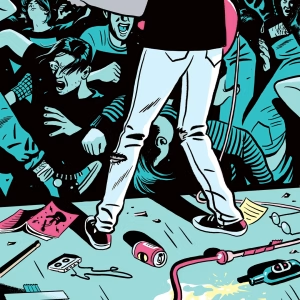
2. The Golden Era: 1990s–2000s Revolution
By the 1990s, indie rock had exploded. The rise of college radio and alternative press helped bands like Pavement, Blur, Radiohead, and Modest Mouse reach a wider audience. This was the era when indie became a cultural force — not just a genre but a lifestyle.
The 2000s saw a renaissance, fueled by internet accessibility and new recording technologies. Platforms like Pitchfork and MySpace democratized exposure, giving small artists global reach. Bands like The Strokes, Arctic Monkeys, Arcade Fire, and The White Stripes transformed indie rock into mainstream phenomena while maintaining an aura of authenticity.
Each of these acts shared a common thread — a sound that felt real, emotional, and imperfectly human. This “bedroom-recorded” aesthetic became the sound of a generation, shaping how music would evolve in the digital era.
3. From Underground to Mainstream: The Digital Shift
The rise of streaming platforms in the 2010s blurred the line between indie and mainstream. Suddenly, independent artists could reach millions without a label. Spotify and Bandcamp became the new frontier for indie musicians.
At the same time, major pop artists began borrowing from the indie playbook. Acts like Billie Eilish, Lorde, and Tame Impala integrated lo-fi textures, intimate lyrics, and experimental production — elements directly descended from indie rock traditions.
The influence of the indie rock in current music can also be seen in production trends: warmer analog tones, reverb-drenched guitars, and emotional vulnerability. Even top producers like Jack Antonoff (Bleachers, Taylor Swift, Lana Del Rey) cite the DIY indie movement as their creative foundation.
4. Influence on Production and Aesthetic
Indie rock transformed how music sounds and how it’s made. Before the 1990s, most production aimed for perfection — every note polished, every sound engineered for clarity. Indie rock flipped that ideal, celebrating imperfection and emotional texture.
The result was a new production language: tape hiss, distortion, and raw vocals became symbols of honesty. Lo-fi production — once considered amateurish — became a respected artistic choice, paving the way for bedroom pop, vaporwave, and other indie-inspired genres.
Artists like Bon Iver and Sufjan Stevens showed that vulnerability and sonic experimentation could coexist, influencing countless producers across genres. Their soundscapes inspired modern pop and even film composers to embrace minimalism and texture over bombast.
5. Indie Rock’s Cross-Genre Impact
Indie rock’s legacy extends far beyond rock itself. It infiltrated pop, hip hop, folk, and electronic scenes, shaping how artists approach songwriting and sound design.
In hip hop, for example, artists like Kid Cudi and Tyler, The Creator cite indie and alternative bands as inspirations for their emotional honesty and self-production style. Similarly, pop stars like Harry Styles and Olivia Rodrigo infuse their music with guitar-driven indie aesthetics, blurring genre boundaries.
The growing “indie-pop” and “alt-R&B” movements are direct descendants of the early 2000s indie ethos. These genres share an emphasis on mood, texture, and individuality rather than mass-market formula.
6. New Generation Artists Inspired by Indie Roots
The new wave of artists emerging in the 2020s reflects how deeply the indie ethos has permeated music culture. Musicians such as Phoebe Bridgers, Clairo, Mac DeMarco, and Mitski have built careers rooted in introspection, simplicity, and a do-it-yourself mentality.
Platforms like Bandcamp empower these creators to maintain control over their art while connecting directly with fans. Their independent spirit continues the lineage of 1980s pioneers who first broke away from the mainstream industry.
Even within genres like electronic and ambient music, the indie approach — focusing on emotional storytelling over commercial appeal — remains central. The democratization of recording tools allows anyone with passion and creativity to produce music that feels authentic, no matter the budget.

7. Cultural Influence: Fashion, Identity, and DIY Values
Beyond sound, indie rock has shaped aesthetics and identity. Its fashion — thrift-store chic, denim jackets, and vintage tees — became synonymous with a new kind of rebellion: understated, introspective, and anti-corporate.
The indie scene also inspired the rise of DIY zines, small record labels, and independent film festivals. Its cultural values — authenticity, self-expression, and experimentation — resonated with the millennial generation and later with Gen Z, who embraced individuality in both art and identity.
Indie culture also influenced visual design, from album covers to typography. Websites like Creative Bloq have traced how indie aesthetics have merged with digital minimalism, influencing everything from brand design to social media visuals.
8. The Future of Indie Rock’s Legacy
As we move further into the streaming era, the boundaries between “independent” and “mainstream” continue to dissolve. The indie spirit now thrives not in genre labels but in mindset. Artists who prioritize authenticity and innovation — regardless of commercial scale — embody the same philosophy that defined indie pioneers.
Artificial intelligence, virtual concerts, and decentralized music platforms may redefine the industry again, but the indie ethos remains timeless: a belief in human connection and creative freedom. Whether through vinyl releases or algorithmic playlists, the influence of indie rock will continue to guide how musicians tell their stories.
For emerging creators, the lesson is clear — you don’t need a big label to make an impact. You need vision, sincerity, and courage to sound different. That’s the lasting legacy of indie rock in modern music.
The influence of the indie rock in current music transcends sound — it’s a cultural movement that redefined creativity for the digital age. From garage bands to Grammy winners, its principles of independence, experimentation, and authenticity continue to resonate across genres and generations.
Indie rock taught the world that success isn’t about scale; it’s about sincerity. Whether in a small studio or a global arena, its impact lives on through artists who dare to create without compromise — shaping the music of today and inspiring the voices of tomorrow.
You might like...